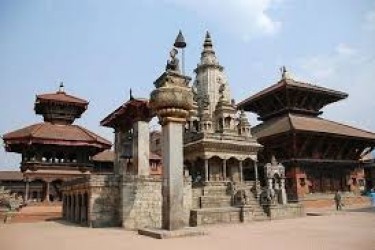
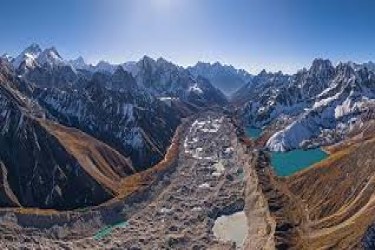
Nepal is a trekking paradise, home to the majestic Himalayas and Mount Everest. Beyond breathtaking views, trekking here is about immersing yourself in local culture, meeting welcoming communities, and challenging yourself physically and mentally. But the mountains are unpredictable—altitude sickness, sudden weather changes, and tough trails are real risks. Proper preparation, safety planning, and emergency readiness are essential to enjoy the journey without danger. With the right guide, equipment, and mindset, your trek through Everest, Annapurna, or Langtang can be a life-changing adventure. Start your journey from Hotel Trekkers Home in Kathmandu and explore the Himalayas safely with BudgetAdventureTreks.com—where adventure meets safety and comfort.
Risk and Safety While Trekking in Nepal
Table of Contents
Nepal is one of the most famous trekking destinations in the world. It is home to the beautiful Himalayan mountains and the highest peak on Earth, Mount Everest. Many travelers visit Nepal to explore famous trekking routes such as Everest Base Camp, Annapurna Base Camp, and Langtang Valley every year. Trekking in Nepal not just walking in the mountains. It's all about enjoying nature, experiencing local Nepali culture, meeting people who welcomes you like a family member , and challenging yourself. The views are stunning and the journey can change your life. However, trekking in the Himalayas also requires preparation because the mountains can be powerful and unpredictable.
Risks While Trekking in Nepal
Trekking in Nepal is safe when done properly, but there are risks that every trekker should understand. One of the biggest risks which is ignored by many is altitude sickness. When you climb above 3,000 meters, the air becomes thinner and oxygen level is low. Your body needs time to adjust in that air with low oxygen. You may feel headache, dizziness, nausea, or extreme tiredness. In serious cases, altitude sickness can become dangerous if not treated quickly.
Weather is another important risk. In the mountains, the weather changes very fast. It can be sunny in the morning and snowing in the afternoon. Strong wind, heavy rain, and freezing temperatures are common at high altitude. During the monsoon season, trails may become slippery and dangerous.
Physical challenges are also part of trekking. You will walk for many hours each day, sometimes on steep and rocky paths. Some trails are narrow, and in some area landslide can happen. If you are not physically prepared, you may feel very tired or get injured. In remote trekking regions, Medicine and medical help is limited, and rescue operations may take time.
Understanding the Risk
Understanding risk means you should think carefully before your trek begins. It means knowing that problems may happen and you should be preparing for them. You should ask yourself if you are physically fit, if you have proper trekking gear, and if you understand the effects of high altitude. When you understand the possible risks, you can take steps to reduce them. Being aware always helps you make and take decisions better and helps you to stay calm during your journey.
What Is Safety Planning While Trekking?
Safety planning means preparing properly before and during your trek to reduce danger. It includes choosing the right trekking season, walking slowly, taking rest days to adjust to altitude, and drinking enough water. It also means packing the correct equipment such as warm clothes, waterproof jackets, strong trekking boots, gloves, sunglasses, sunscreen, and a first aid kit.You should be always prepared and known what's coming up next.
Hiring an experienced guide is also part of safety planning. A guide understands the trail, weather, early signs of altitude sickness, and other risks while trekking. Travel insurance that covers high-altitude trekking and helicopter rescue is also very important. Good safety planning makes your trek smoother and safer.
Why Safety Planning Is Important
Safety planning is important because the mountains are unpredictable. At high altitude, small problems can quickly become serious, and the Proper preparation reduces the chance of accidents and health issues. When you are well prepared, you feel more confident and relaxed . This allows you to enjoy the beauty of Nepal without unnecessary stress.
Emergency Planning
Emergency planning means knowing what to do if something goes wrong during your trek. Before starting your journey, you should have emergency contact numbers, including your guide, hotel, family members, and embassy. You should understand how rescue services work and keep your insurance details ready.
Carrying basic medicine and informing your guide about any health conditions is also very important. If someone becomes very sick at high altitude, quick descent to a lower area is often necessary. Knowing this in advance can save valuable time.
Why Emergency Planning Is Important.
Emergency planning is important because help is not always close in the mountains. Weather conditions and distance can delay rescue services. If you already have a clear plan, you will not panic in a difficult situation. You will know what steps to take and who to contact and what to do in that situstion. Quick and calm action can protect your life and the lives of others.
Conclusion:
Trekking in Nepal is an unforgettable experience. The Himalayan views, peaceful villages, and personal achievement make it truly special. However, the mountains must be respected. With a clear understanding of risks, proper safety planning, and careful emergency preparation, you can enjoy your adventure safely. Adventure is exciting, but safety should always come first.
Choose your stay at Hotel Trekkers Home in Kathmandu, the cozy base for every trekker. Then explore the Himalayas safely with BudgetAdventureTreks.com, offering expert guides, proper safety planning, and emergency support. Trek Everest, Annapurna, or Langtang while enjoying comfort, culture, and stunning views. Adventure made safe, simple, and unforgettable.