Trekking in Nepal is amazing, but in 2026 most big treks like Everest Base Camp, Annapurna Circuit, and Manaslu require an e-TIMS permit and a licensed guide. Trekkers must book through a registered agency, and Trekkers Home can help arrange last-minute guides, permits, and insurance. With the right support, trekkers can explore Nepal’s mountains safely and easily.
Nepal Trekking 2026 Rules
Table of Contents
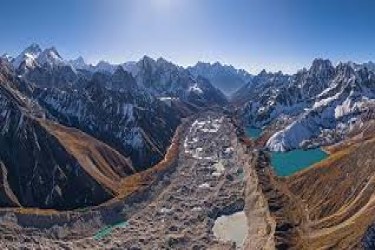
Trekking in Nepal is one of the world’s most famous adventure experiences. Nepal has the highest peak in the world, Mount Everest, hundreds of Himalayan mountains, deep valleys, rocks left by glaciers, suspension bridges, and culturally rich villages.In the past, people came to Kathmandu with a backpack, got trekking permits, and walked alone to places like Everest Base Camp, Annapurna Circuit, or Langtang Valley. Trekking was simple and free. But growing visitor numbers, more rescue incidents, and safety concerns led authorities to organize trekking with digital management. This system is called e-TIMS.
What Is the e-TIMS System?
e-TIMS stands for Electronic Trekkers’ Information Management System. It is a digital system managed by the Nepal Tourism Board and the Trekking Agencies’ Association of Nepal.
Before, trekkers received a physical TIMS card with basic personal and route info. In 2026, this is now a central electronic database that records:
-
Trekker identity
-
Guide information
-
Registered trekking agency
-
Route plans
-
Emergency contacts
Checkpoints in national parks and conservation areas can now check in real time if trekkers have a permit, insurance, and licensed guide.
 Which Treks Need a Permit in 2026?
Most big and popular treks require an e-TIMS permit:
-
Everest Base Camp Trek – famous high mountains
-
Annapurna Circuit Trek – long trek around mountains and villages
-
Langtang Valley Trek – mountains, forests, villages
-
Manaslu Circuit Trek – restricted area, requires guide and permit
-
Upper Mustang Trek – special area with strict rules
Small local walks or short village hikes usually do not need a permit, but most multi-day treks require a licensed guide.
2026 Rule: Mandatory Guide
You cannot trek alone in most big areas. To get an e-TIMS permit, you must book through a licensed trekking agency and have an officially assigned guide.Without a guide, you cannot get a permit, and without a permit, you cannot enter major trekking areas like Annapurna, Langtang, Manaslu, and other protected Himalayan zones.
 Why Nepal Made This Rule
-
Increase in missing trekkers, altitude sickness cases, and helicopter rescues
-
Solo trekkers often did not know the mountains, weather, or high-altitude risks
-
Hard to track lost trekkers during emergencies
The e-TIMS system with guides helps:
-
Prevent accidents
-
Improve emergency response
-
Control trekking in remote areas
-
Support local jobs
-
Stop unregistered trekking
Licensed guides also help trekkers:
-
Follow acclimatization schedules
-
Spot altitude sickness symptoms
-
Navigate safely in unpredictable conditions
-
Work with lodge owners and contact emergency services if needed
-
Share local culture and history
Key 2026 e-TIMS Rules
-
Need a Guide & Agency: Cannot trek alone; must book through a licensed agency
-
Blue e-TIMS Card: Official permit storing your insurance and guide info
-
Travel Insurance: Must cover helicopter rescue up to 6,000 meters
-
Green Fee: NPR 1,000 for waste management (Everest & Annapurna regions)
-
Penalties: Trekking without a guide or permit can cost USD 120 or more
-
QR Checkpoints: Fast, digital real-time checking replaces most paper checkpoints
-
Cost: Standard e-TIMS fee is NPR 2,000 per person plus green fee and agency fees
Restricted Areas: Manaslu and Upper Mustang still need special permits
Making Trekking in Nepal Safer
The e-TIMS system makes trekking safer and more organized. Trekking is now guide-based and digitally tracked, which protects trekkers and local communities. Digital tracking helps monitor visitors, reduce environmental impact, and respond quickly in emergencies, following international safety standards.
Conclusion: Trekking in Nepal in 2026
Nepal’s mountains remain breathtaking and welcoming, but trekking has changed in 2026. Most major multi-day treks, like Everest Base Camp, Annapurna Circuit, Langtang Valley, Manaslu, and Upper Mustang, now require an e-TIMS permit, a licensed guide, and booking through a registered agency. Following these rules ensures safety, smooth travel, and compliance with insurance requirements.
For trekkers arriving last minute or without prior arrangements, Trekkers Home can provide quick, reliable support. They can assign certified guides, arrange e-TIMS permits, manage insurance, and handle all official paperwork, making it easy to start your trek without delays. With their help, you can explore Nepal’s mountains safely, confidently, and stress-free, while enjoying the culture, scenery, and adventure that make Nepal one of the world’s top trekking destinations.